
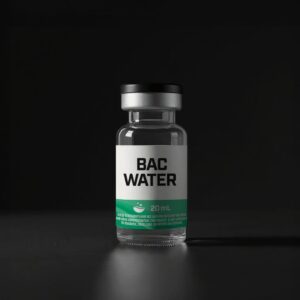
Bacteriostatic Water is a sterile, non-pyrogenic water solution containing 0.9% benzyl alcohol as a preservative. In laboratory and research environments, it is commonly used for the reconstitution and dilution of lyophilized peptides, proteins, and other research compounds requiring sterile preparation prior to experimental use.
Composition and Function
Bacteriostatic Water consists of highly purified sterile water combined with benzyl alcohol, which functions as an antimicrobial preservative. The presence of benzyl alcohol helps inhibit the growth of certain bacteria, allowing multiple sterile withdrawals from the same vial when handled under appropriate laboratory conditions.
Peptide Reconstitution
One of the most common uses of bacteriostatic water in research laboratories is the reconstitution of freeze-dried (lyophilized) peptide compounds. The sterile solution helps dissolve peptides into a usable liquid form for analytical evaluation, formulation studies, or controlled laboratory experimentation.
Sterility and Preservation
The inclusion of 0.9% benzyl alcohol provides bacteriostatic properties that help reduce microbial contamination risk during repeated vial access. Proper sterile handling procedures are still required to maintain solution integrity and minimize contamination during laboratory use.
Storage and Handling Considerations
To preserve sterility and product quality, bacteriostatic water should be stored according to laboratory handling guidelines and used with sterile equipment and aseptic technique. Researchers commonly store vials under controlled environmental conditions to maintain stability and sterility throughout use.
Reviews
There are no reviews yet.